Welcome to
Peter E. Randall Publisher's Town History Herald, an e-newsletter for groups and individuals who are planning a history related book project
|
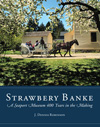
New England Museum Association's 2008 Bronze Medal Award Winner:
Strawbery Banke: A Seaport Museum 400 Years in the Making by J. Dennis Robinson. Rich with pictures and painstakingly researched, filmmaker Ken Burns says, "This is an important book about one of the best history museums in the country." Chosen as one of five titles recognized by NEMA, this title tracks 400 years of history along the Piscataqua River with dramatic tales that will surprise even New Hampshire natives. Read more at the website. |
|
|
|
Writing Your Manuscript, Part 1, Creating your Outline
By Deidre Randall, CEO
Once your town has made the commitment to publish its history, and even sometimes before the commitment is clear, a writer or group of writers may be at work on the manuscript. Many times the historical society is in charge of creating the manuscript and the town officials work to support the actual publication by offering resources to make it happen. The steps of manuscript creation follow a basic path on the way to a quality book. A clear outline is a good place to start. You will need to determine the length of time to cover and how to structure the book, whether it is by subject or chronologically.
The first decision to make is to decide how large a span of time to cover in the history. If no other history has ever been published, then this decision can be based upon dates of incorporation as well as available records and information. Sometimes the discovery of new records can provide the impetus for beginning a manuscript. Perhaps a treasure trove of photos, or letters is discovered in an attic in one of the town's oldest dwellings and this leads interested parties to begin the recording and interpretation process.
Some towns begin where a previous history ends and work towards the present. If that initial volume is out of print, they may elect to bring it back into print and publish the old and new together in a two volume set. This assures that a complete history is available to all. In recent years we have seen groups publishing histories that document just fifty years, so the span of time is truly subjective, based upon the desires of each town. Once a history manuscript is begun the first difficult step has been taken. Whatever length of time is chosen, it needs to be clear from the outset what will be covered.
It's important to develop a guideline from the beginning, as this saves a lot of work on the other end of the project. Deciding how the book will be organized provides a structure for your research efforts and keeps up the projects' momentum. A survey of the information available will often yield a common sense approach to the outline for the manuscript. If you have a lot of school records and photographs available, plus journals from a number of students, then perhaps it makes sense to focus a section of the book on the town's education process. Perhaps there was a large manufacturing business in the town that employed a number of folks and there are extensive records from that to draw on. Then a section on manufacturing and how it shaped the development of the town would also make sense.
Some groups choose a chronological path and others work from subject to subject to structure their history. If there are significant gaps in the information, then working by subject may offer a more complete picture of the different aspects of the town's development. A chronological treatment often seems the most natural, and may provide the continuity lacking in a history structured by subject. Yet this too is up to the individual community to determine, based on the information they have to work with.
It's a good idea to have at least a small committee working on the shaping of the book initially, even if there is a single writer. The perspective offered by several thinkers can inform and support the work of one writer and help to make sure the manuscript is actually completed. Such a large writing project can take years to finish and when one writer is isolated, working without support, the task can stretch endlessly, which definitely short circuits the enthusiasm that launched the project.
<< Return to Previous Page
|
|
|

